research
Mauritius Whale Swim Adventures operates as part of a global comparative research program examining the impacts of whale-swimming tourism across different regulatory environments.
Our work in Mauritius represents a key case study within this broader research effort, which compares:
Well-regulated whale swim destinations
Regions where whale swimming is banned but inconsistently or ineffectively enforced
Areas with minimal or no formal regulation
The Mauritius research program focuses on:
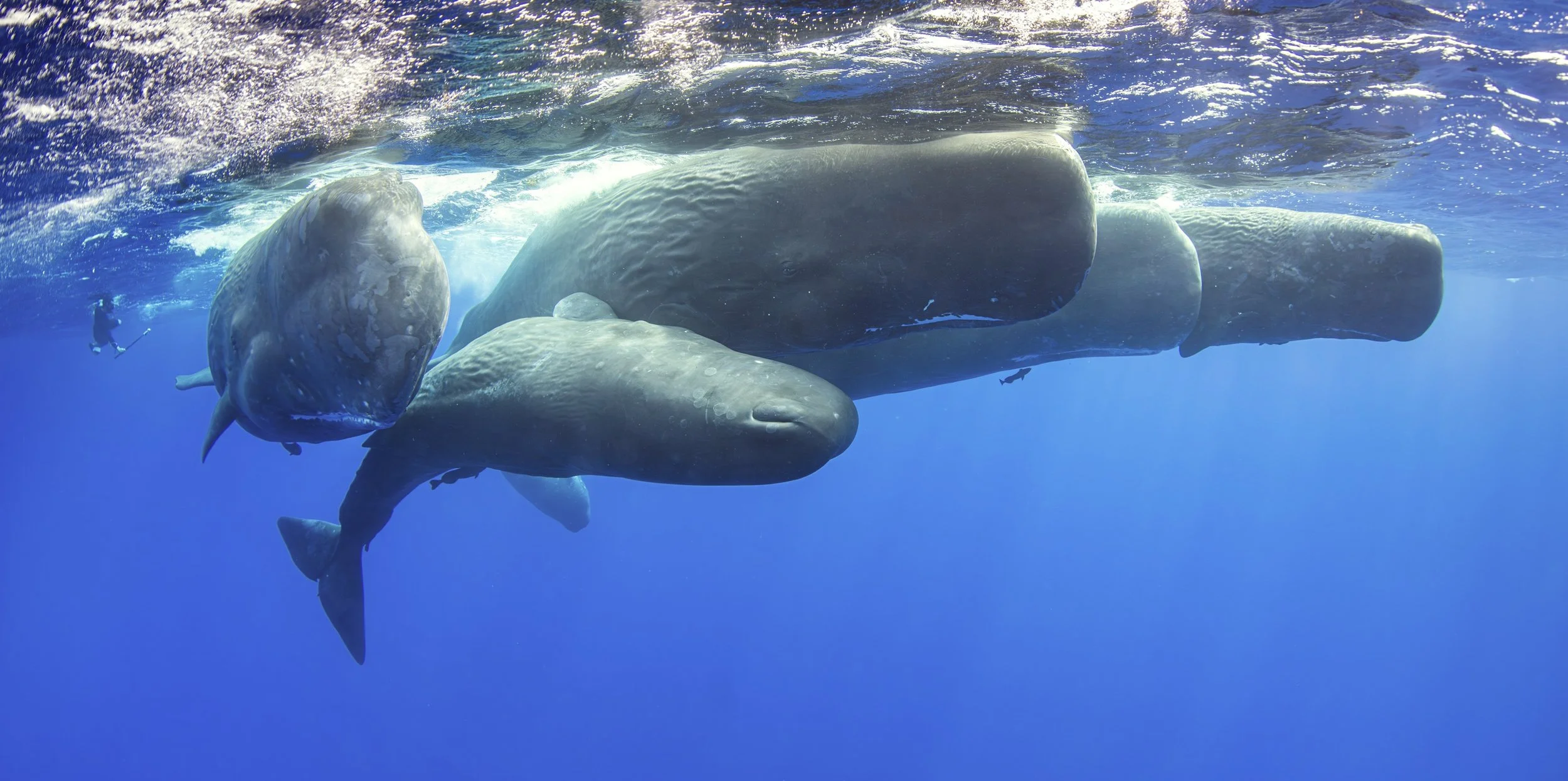
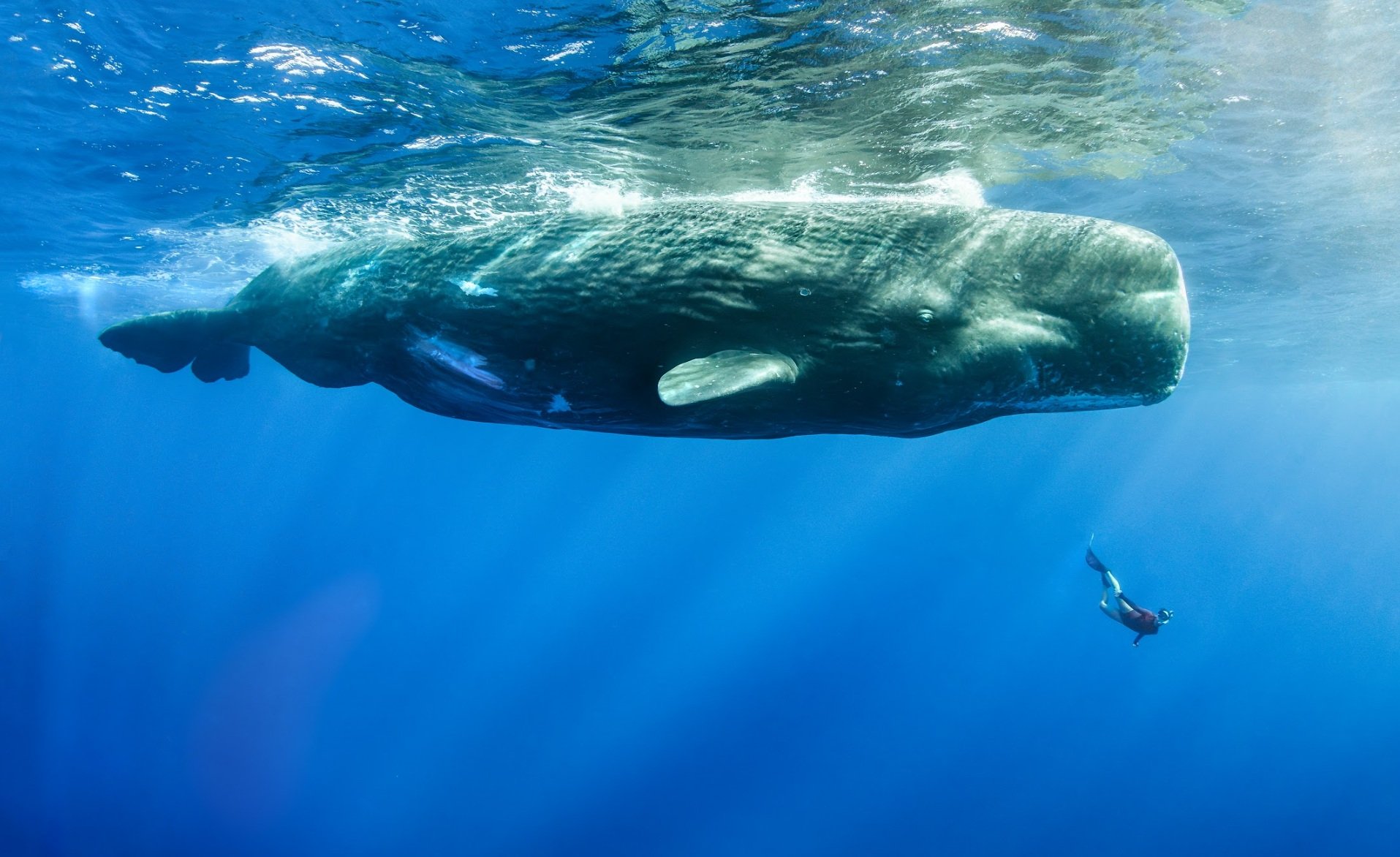
Whale behaviour before, during, and after vessel and swimmer interactions
Boat traffic patterns and cumulative pressure on resident sperm whale pods
Operator practices and decision-making
The social and economic impacts of whale tourism on local communities
Data is collected through non-invasive observation, structured encounter logging, and qualitative field notes, rather than tagging or physical interaction. Guests participating in research trips may assist with observational data collection under guidance, contributing meaningfully to conservation-focused outcomes.
The goal of this research is to provide evidence-based insight into how thoughtful regulation—rather than outright bans or unmanaged activity—can better protect whales while supporting sustainable local livelihoods.
We are working in conjunction with local Mauritian and Mauritius-based researchers, community leaders within the Black River area and academic bodies to create a recommendation for consideration by the Ministry of Tourism.
The full details of the broader comparative Research Proposal can be found here.